
The environment behind the work
Real conditions. Real consequences.
The living lab is the testing environment, not the whole story. Connected systems give teams a place to understand a problem, test assumptions and collect evidence.
One campus. Connected systems.
A living lab you can walk through.
Every zone produces more than crops. It produces operational data, research questions, prototypes, and work you can put in a portfolio.
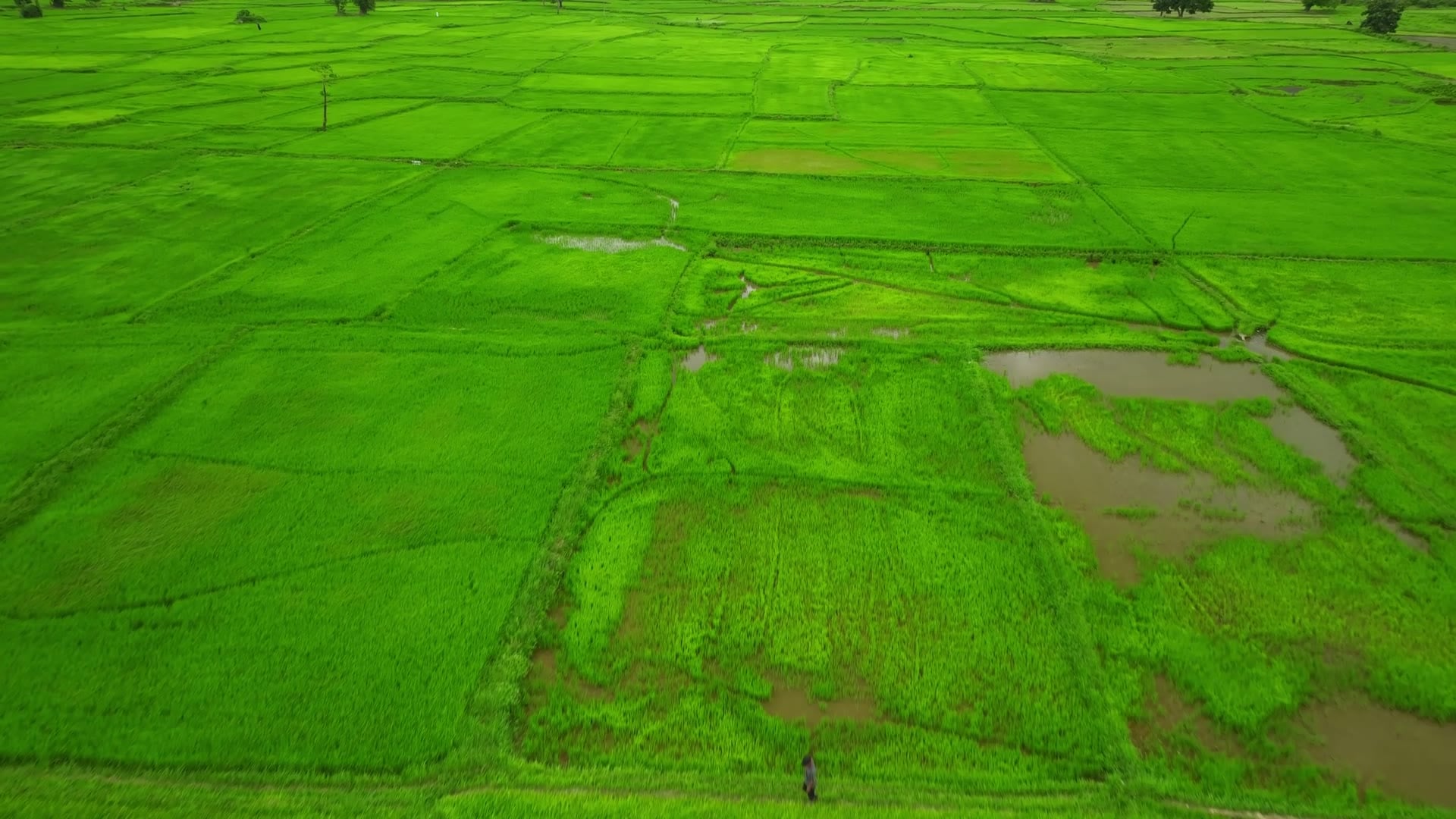
Precision sensing
Understand the field before changing it. Crop, soil, and water observations become evidence for better decisions on the ground.
On the ground
- Drone mapping + crop scouting
- Soil and moisture sensing
- Field data + decision models
Field observations guide what we grow next.
One living system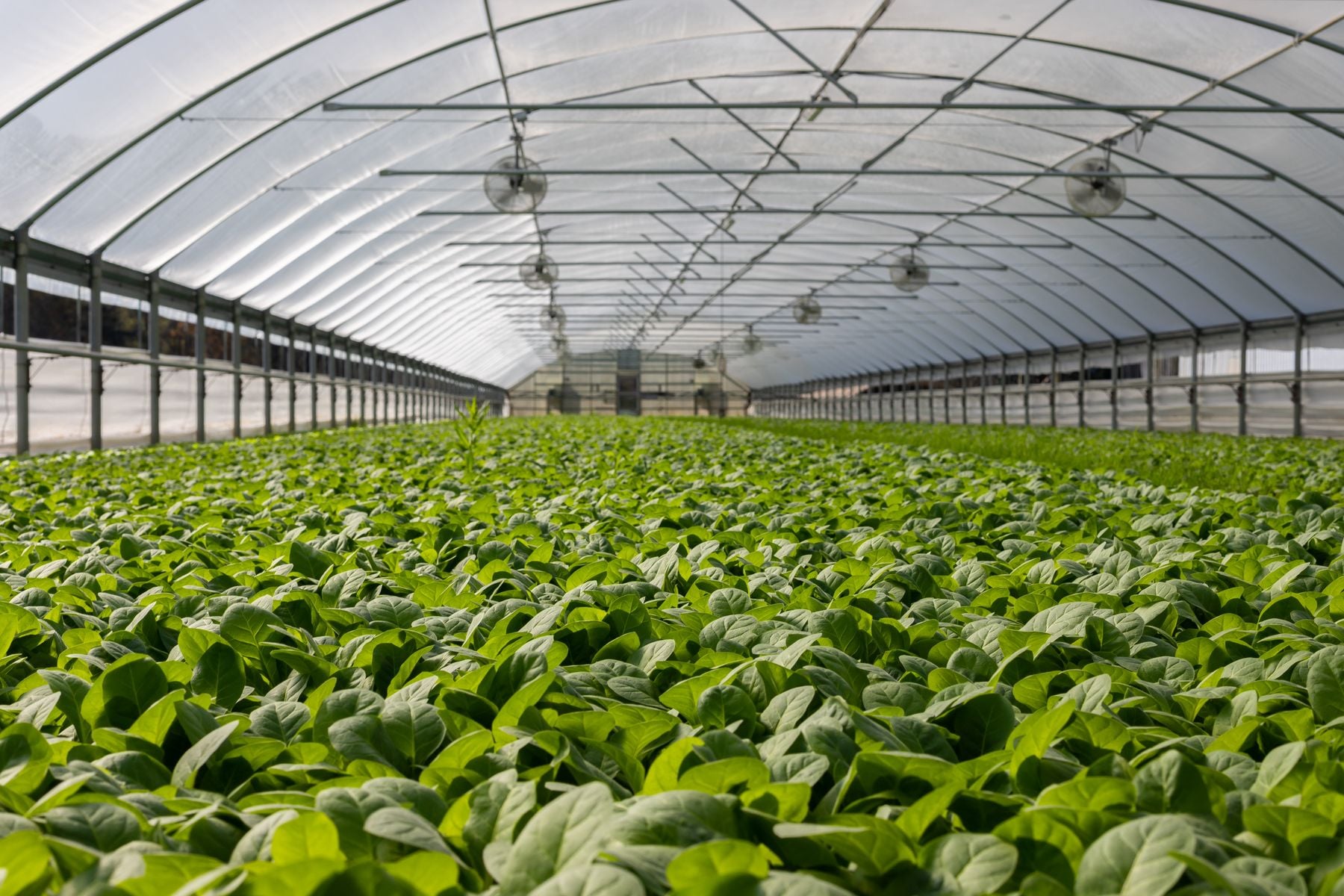
Controlled cultivation
Turn growing conditions into a research question. Greenhouse and hydroponic systems connect crop trials with water, nutrition, and yield.
On the ground
- Greenhouse + hydroponic trials
- Water and nutrient management
- Crop performance + harvest records
Cultivation turns field insight into measurable results.
One living system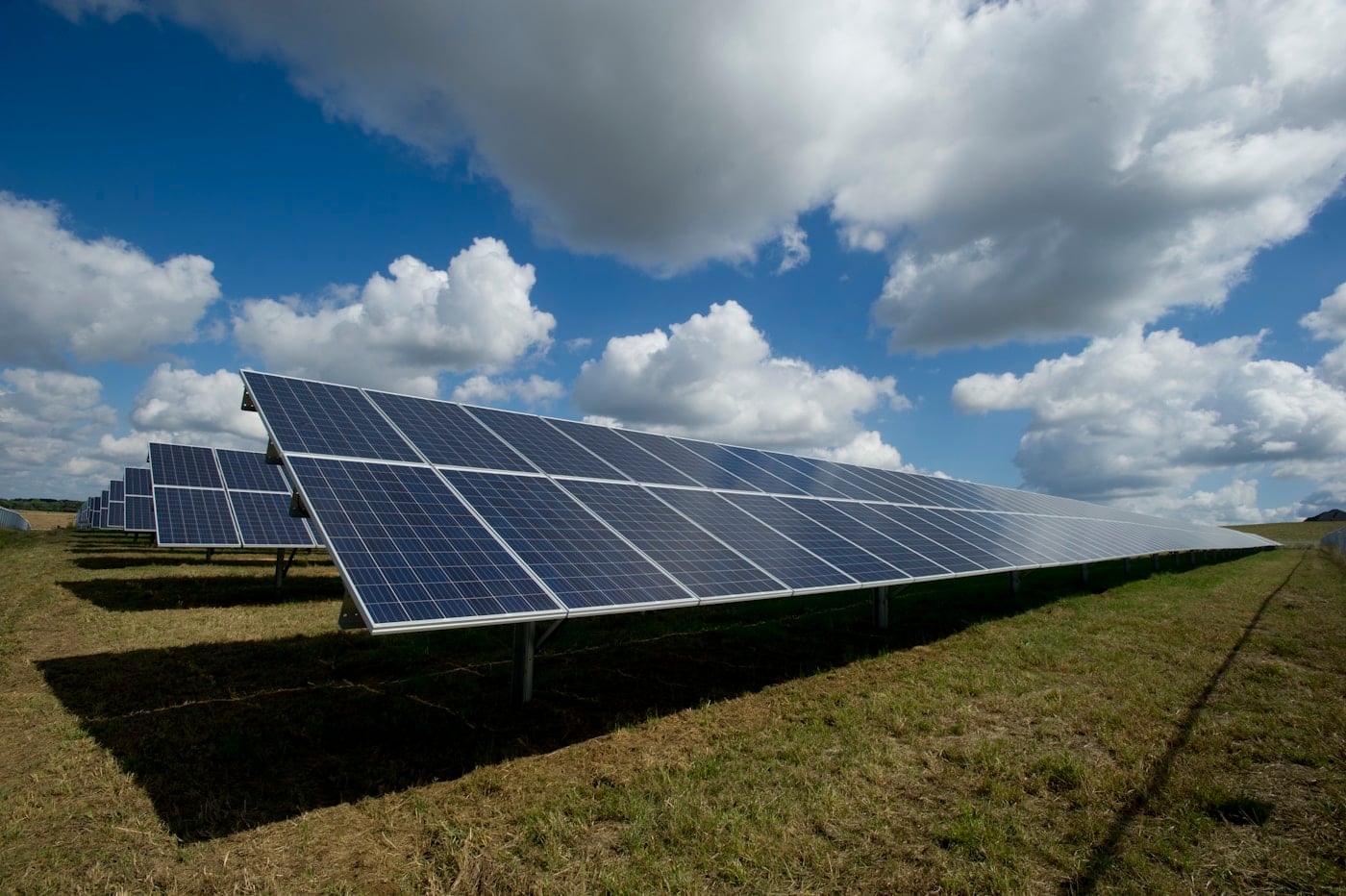
Renewable operations
Follow energy from source to use. Solar and bio-energy projects connect the campus's everyday needs with practical engineering and enterprise.
On the ground
- Solar + bio-energy systems
- Energy use and operating efficiency
- Performance + commercial viability
Renewable energy supports the campus's working systems.
One living system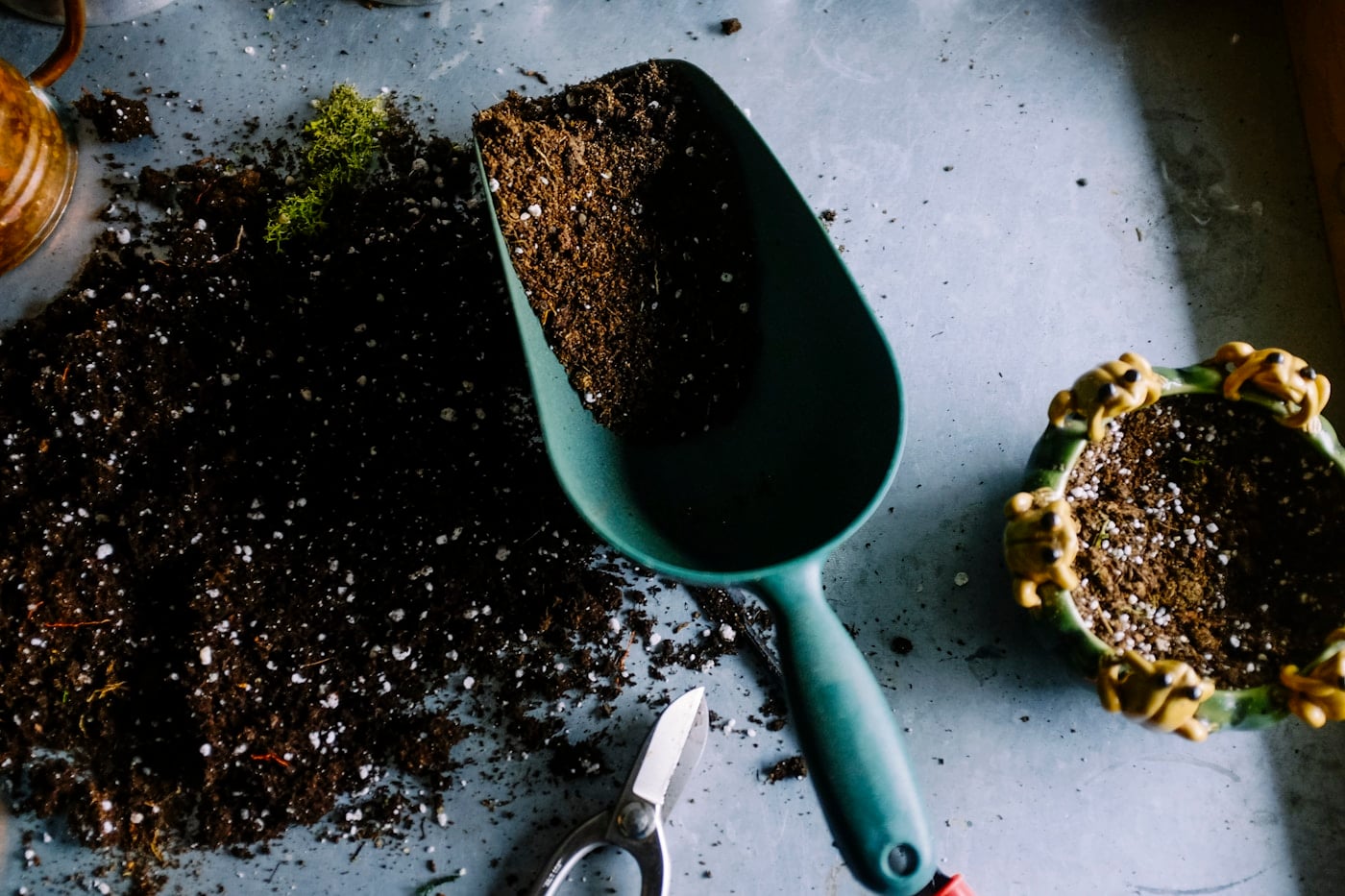
Circular bioeconomy
A harvest is not the end of the cycle. Organic materials become the starting point for new work in feed, fuel, fertilizer, and resource recovery.
On the ground
- Organic material + feedstock flows
- Bio-CNG and nutrient recovery
- Resource loops + business cases
Recovered resources return value to the next growing cycle.
One living systemShared land. Shared learning.Connected by the work.
Find your problemThe next step is yours
Build something
the world can use.
Find the problem. Build the solution. Prove it.
Then decide how far to take it.